
How to Mix Wood Tones in Your Home
Mixing wood tones in your home can feel intimidating. Should all your furniture match? Do light and dark woods clash? The truth is, combining wood finishes is one of the easiest ways to create depth, warmth, and a curated, layered look in any space—if you know the rules. Here’s how to do it gracefully.
Start With a Base Tone
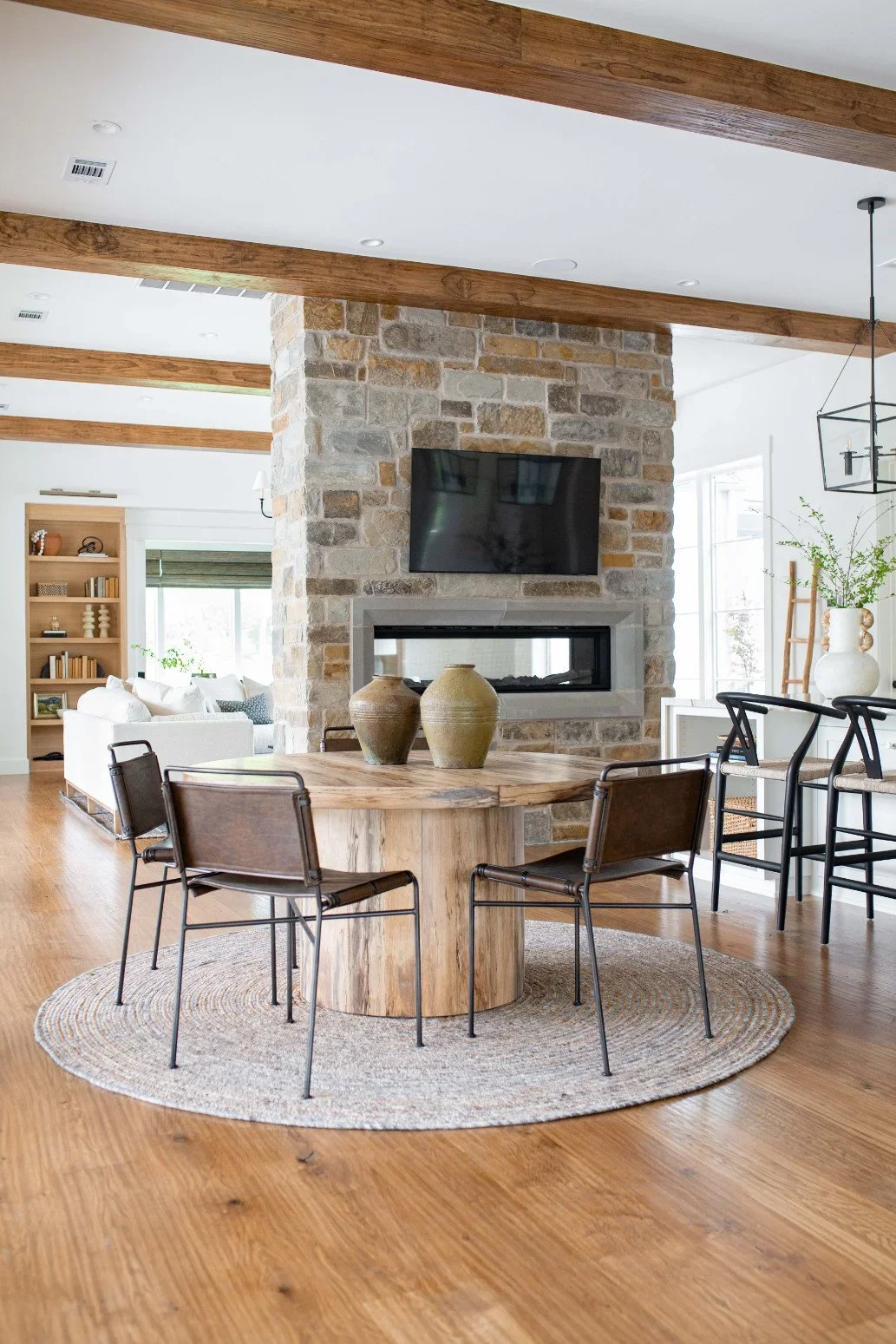
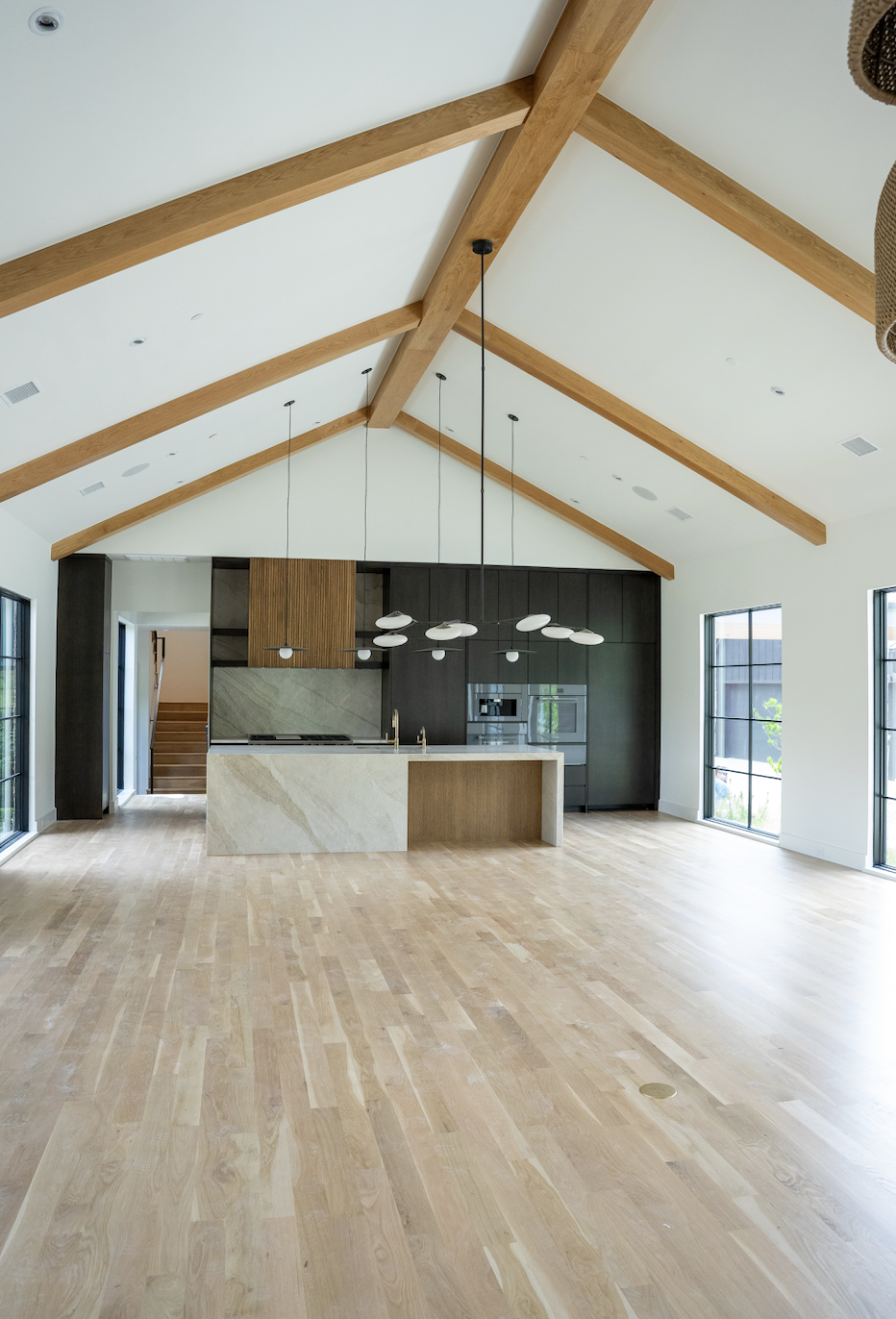
Every room should have a dominant wood tone that sets the foundation. This could be your flooring, a large piece of furniture, or cabinetry. Use this as your anchor and build around it. Once you have a base, other wood finishes will feel intentional rather than haphazard.
Create a Balanced Mix
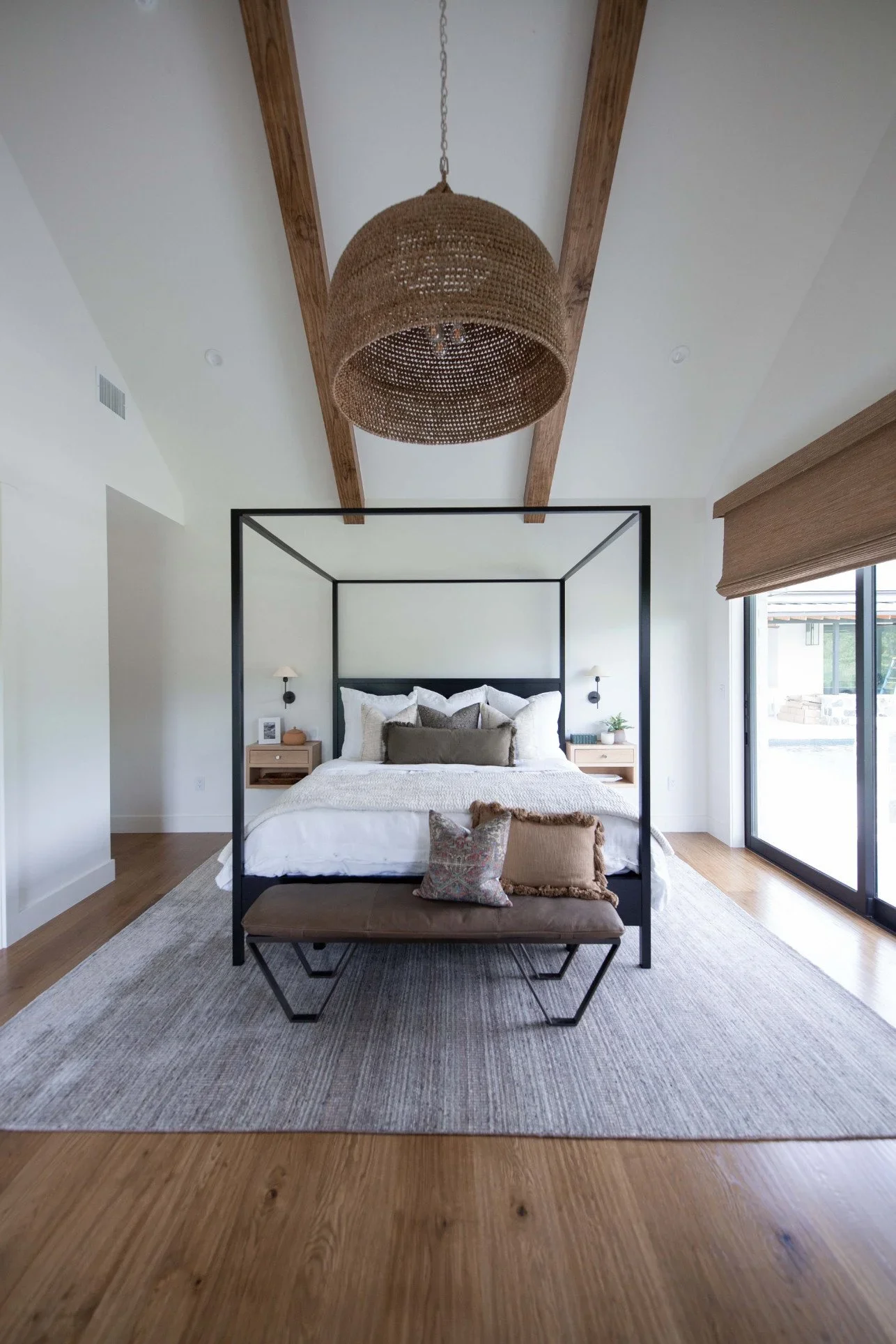
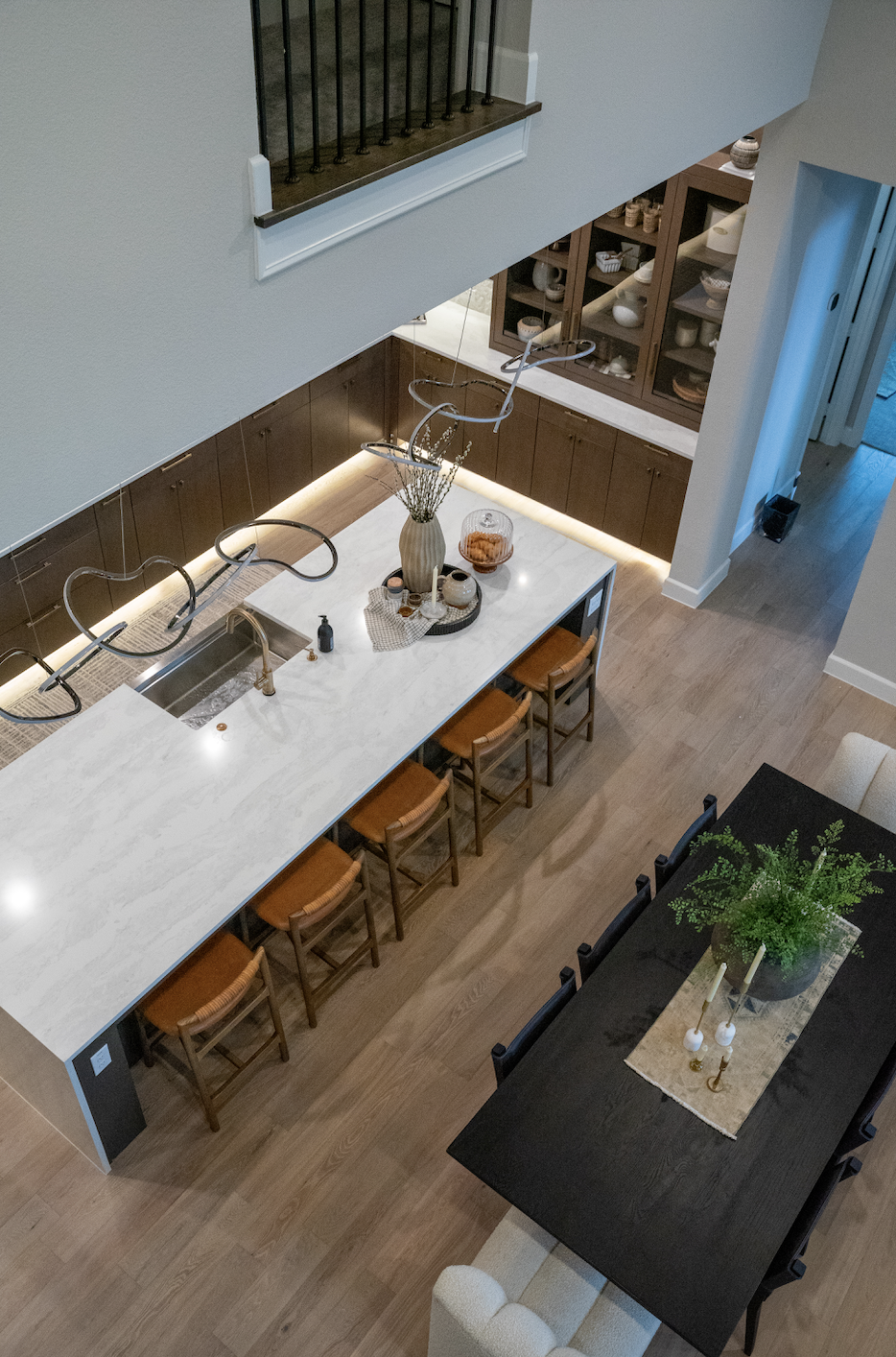
A general guideline is to work with three wood tones: a dominant, a secondary, and an accent. For instance, if your flooring is a medium oak, pair it with a darker espresso dining table (secondary) and add a lighter birch side table as an accent. The contrast creates visual interest, while still feeling cohesive.
Consider the Undertones
Not all browns are created equal. Woods have warm, cool, or neutral undertones. A walnut table with reddish undertones may feel off when paired with a blonde oak floor with yellow undertones. Try to choose tones that share complementary undertones, or use neutral elements—like rugs, textiles, or metals—to bridge the gap.
Layer With Textures
Mixing wood tones doesn’t mean everything has to be the same style. Combining rustic, smooth, matte, and glossy finishes adds dimension and prevents the space from feeling flat. For example, a matte mid-century coffee table can pair beautifully with a polished modern dining set if balanced with textured rugs or soft furnishings.
Repeat Elements for Cohesion
To tie different woods together, repeat colors subtly throughout the space. A dark walnut frame on the wall, a light oak shelf, and a medium-toned wooden lamp base can echo each other without being matchy-matchy. This creates a visual rhythm that makes the room feel thoughtfully designed.
Don’t Forget Your Walls and Accessories
Walls, textiles, and décor can act as neutral canvases to highlight your wood tones. Soft whites, creamy grays, or even deep charcoal can make a mix of wood finishes feel intentional. Metallic accents like brass, black iron, or brushed nickel can also provide contrast and grounding.
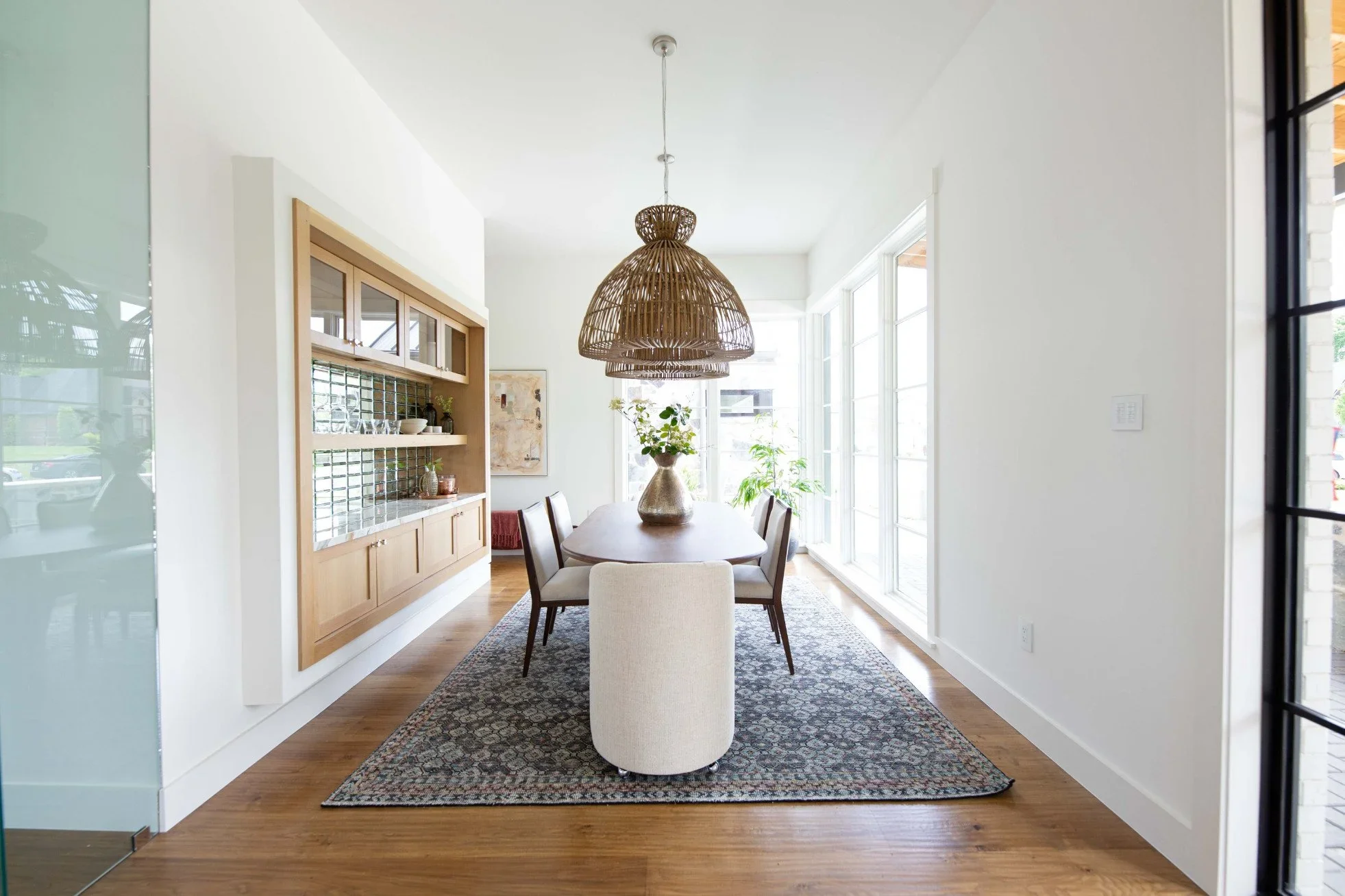
Mixing wood tones isn’t just a trend—it’s a way to bring warmth, personality, and visual depth into your home. With a little planning and a thoughtful approach, your furniture and finishes will harmonize beautifully, creating a space that feels curated and timeless.
If you're looking for a DFW interior designer to help bring your vision to life, House Sprucing specializes in creating beautiful, functional spaces tailored to your home and lifestyle. Send us an email at hello@hsdesignteam.com or text us at 214-471-0917.