
The Rooms You Should Furnish First in a New Home
Moving into a new home is exciting, but staring at several empty rooms can quickly become overwhelming. You may want the entire house to feel finished right away, but trying to furnish every space at once can lead to rushed purchases, mismatched pieces, and a budget stretched in too many directions.
The good news is that your home does not have to be completed all at once. By furnishing the most-used rooms first, you can create a home that feels comfortable, functional, and pulled together while giving yourself time to make thoughtful decisions about the remaining spaces.
Start With the Living Room
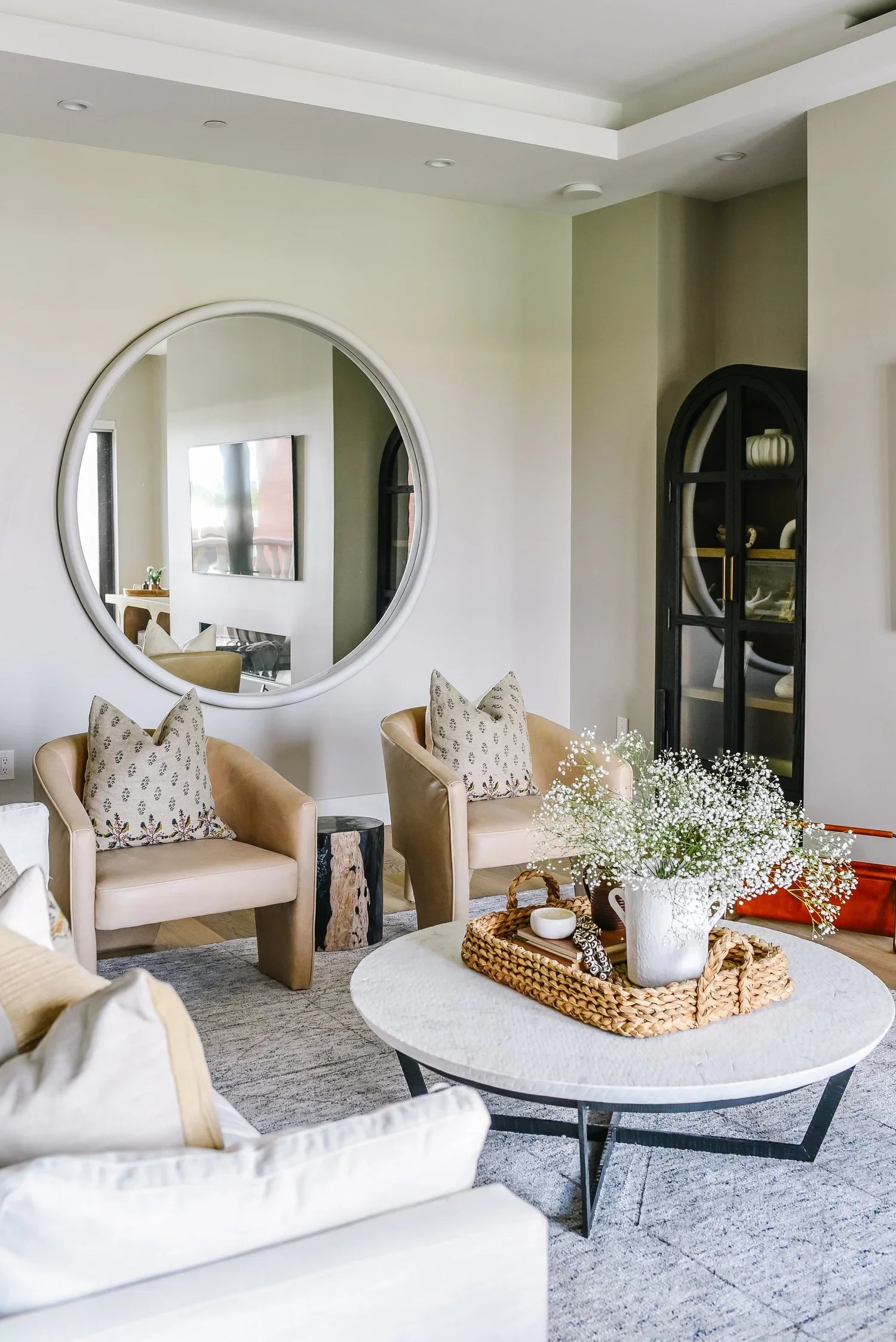
For most families, the living room is the heart of the home. It is where you relax, entertain, watch movies, and spend time together, which makes it one of the best places to begin.
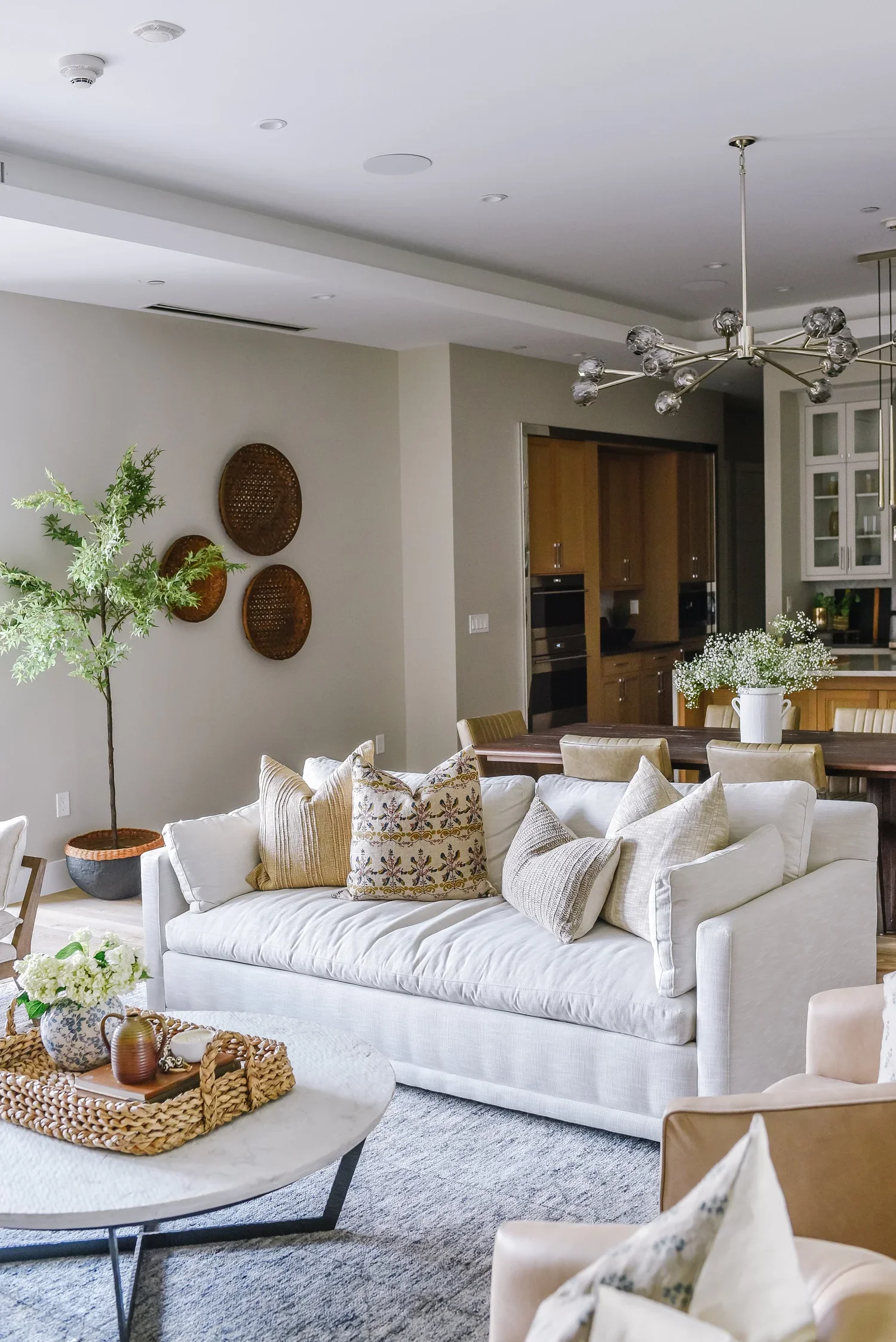
Start with the foundational pieces: a properly scaled sofa, comfortable chairs, a rug, a coffee table, and lighting. Once those larger items are selected, you can layer in pillows, side tables, artwork, and accessories.
The furniture layout is just as important as the individual pieces. A thoughtfully planned living room should encourage conversation, provide comfortable pathways, and feel balanced within the architecture of the space. Choosing the correct sizes from the beginning can also prevent expensive mistakes later.
Furnish the Primary Bedroom Next
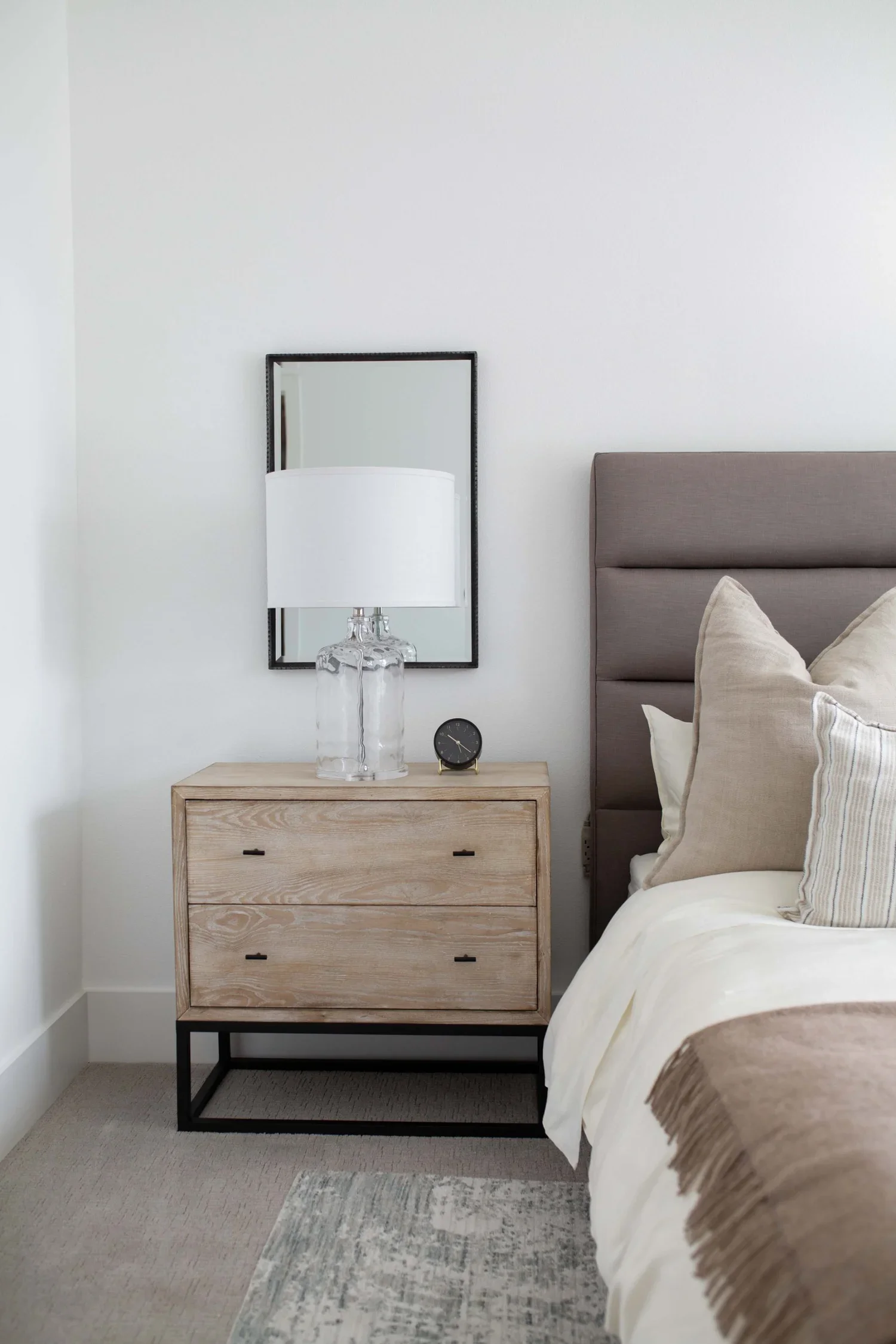
Your primary bedroom should feel like a retreat, especially when the rest of the house is still coming together. Prioritize a quality bed, nightstands, lighting, and window treatments to create a comfortable foundation.
From there, add a rug, bedding, artwork, and seating if space allows. These softer layers bring warmth and personality into the room without requiring a complete renovation.
Finishing the primary bedroom early gives you one peaceful, completed space to enjoy while other areas of the home remain in progress.
Focus on the Main Dining Area
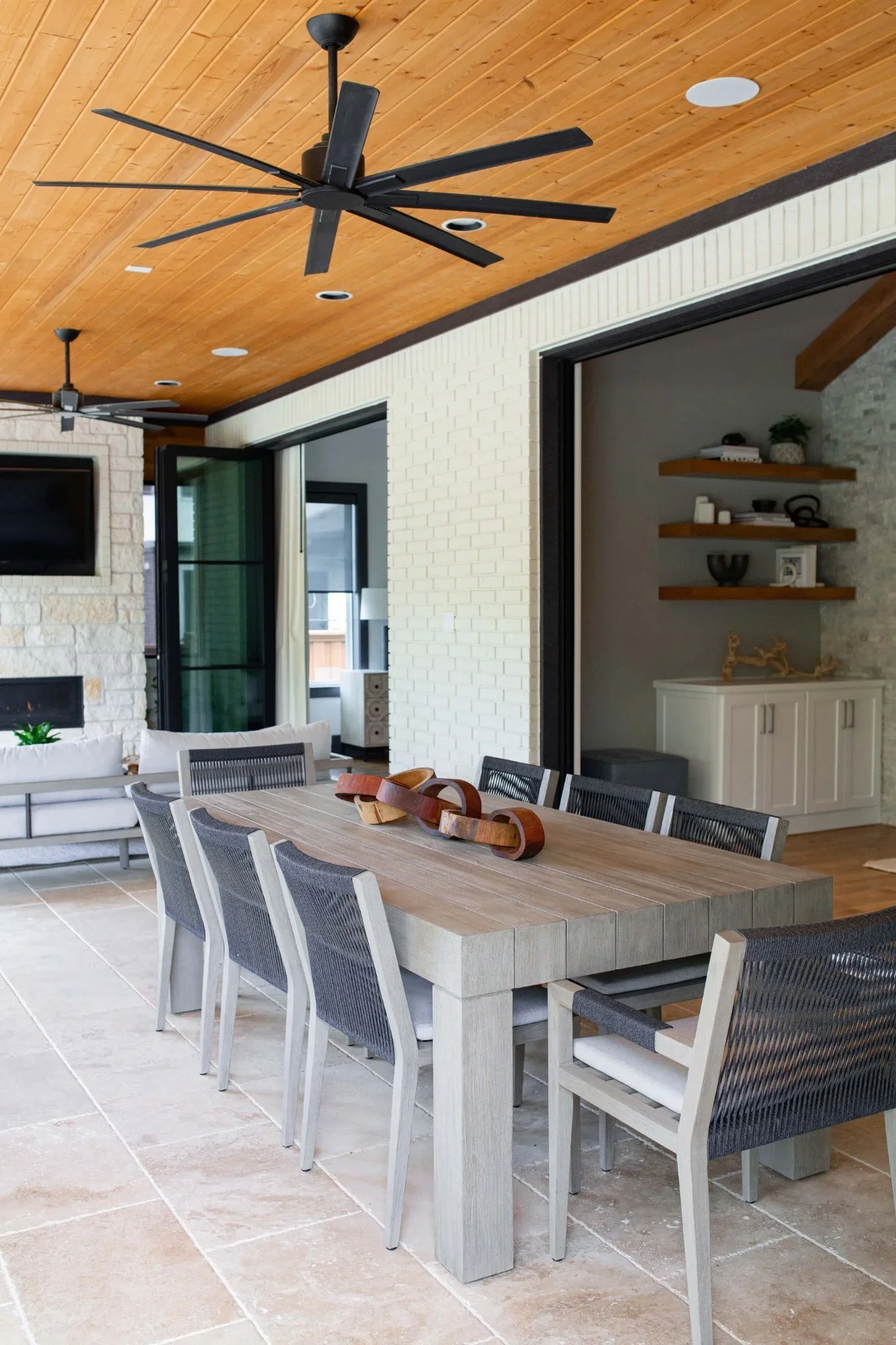
Whether you have a formal dining room, a breakfast nook, or one open dining space, having a functional place to gather for meals makes a new home feel settled.
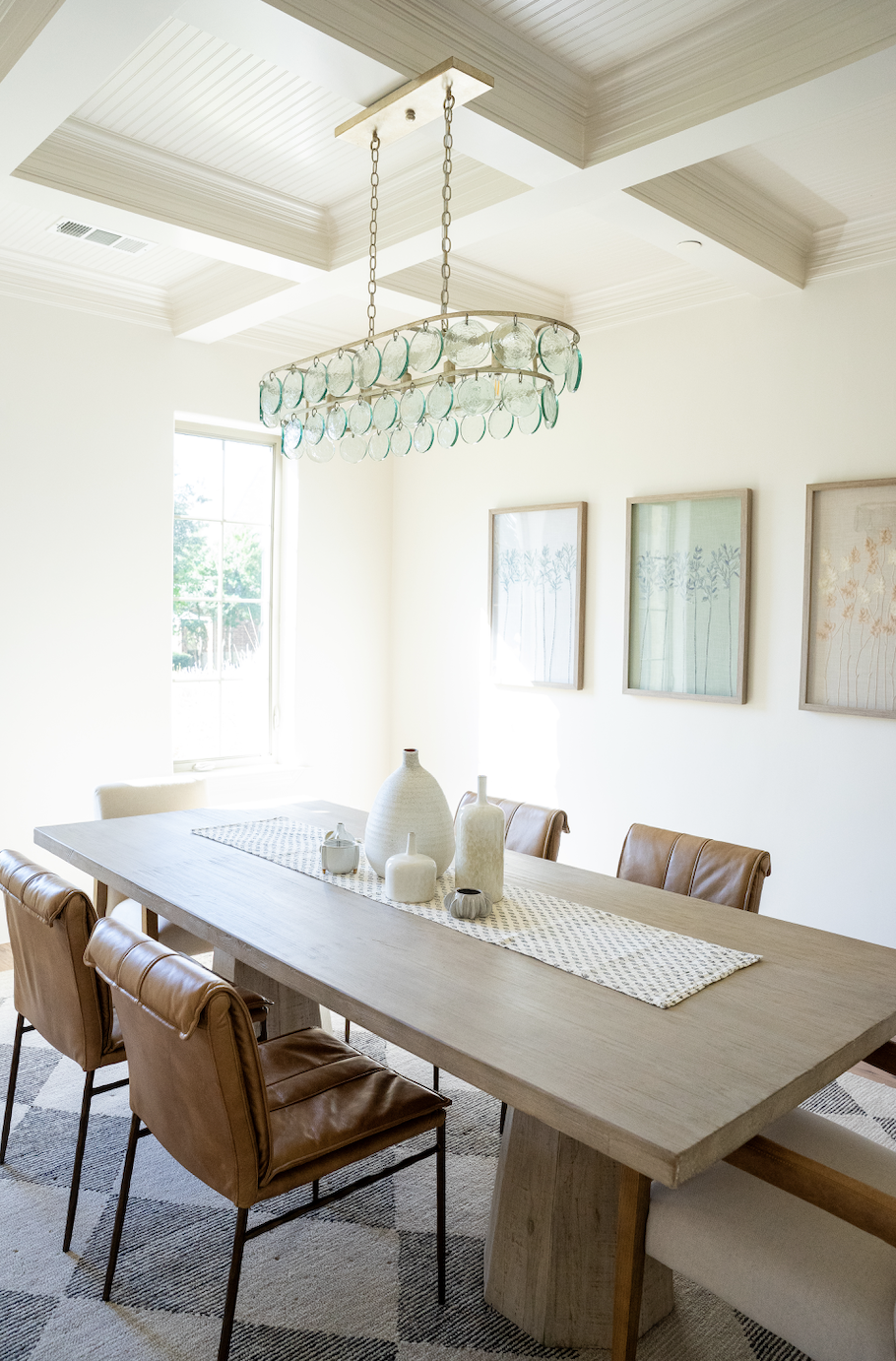
Begin with a dining table that fits both the room and the way your family lives. Consider how many people you seat regularly, whether you entertain often, and how much space is needed to comfortably move around the table. Then select chairs, lighting, and a rug that help define the dining area and connect it visually to nearby rooms.
In an open-concept home, the dining furniture should complement the living room without matching it exactly. Repeating a few colors, finishes, or materials will create a cohesive look while allowing each space to have its own personality.
Complete the Entryway
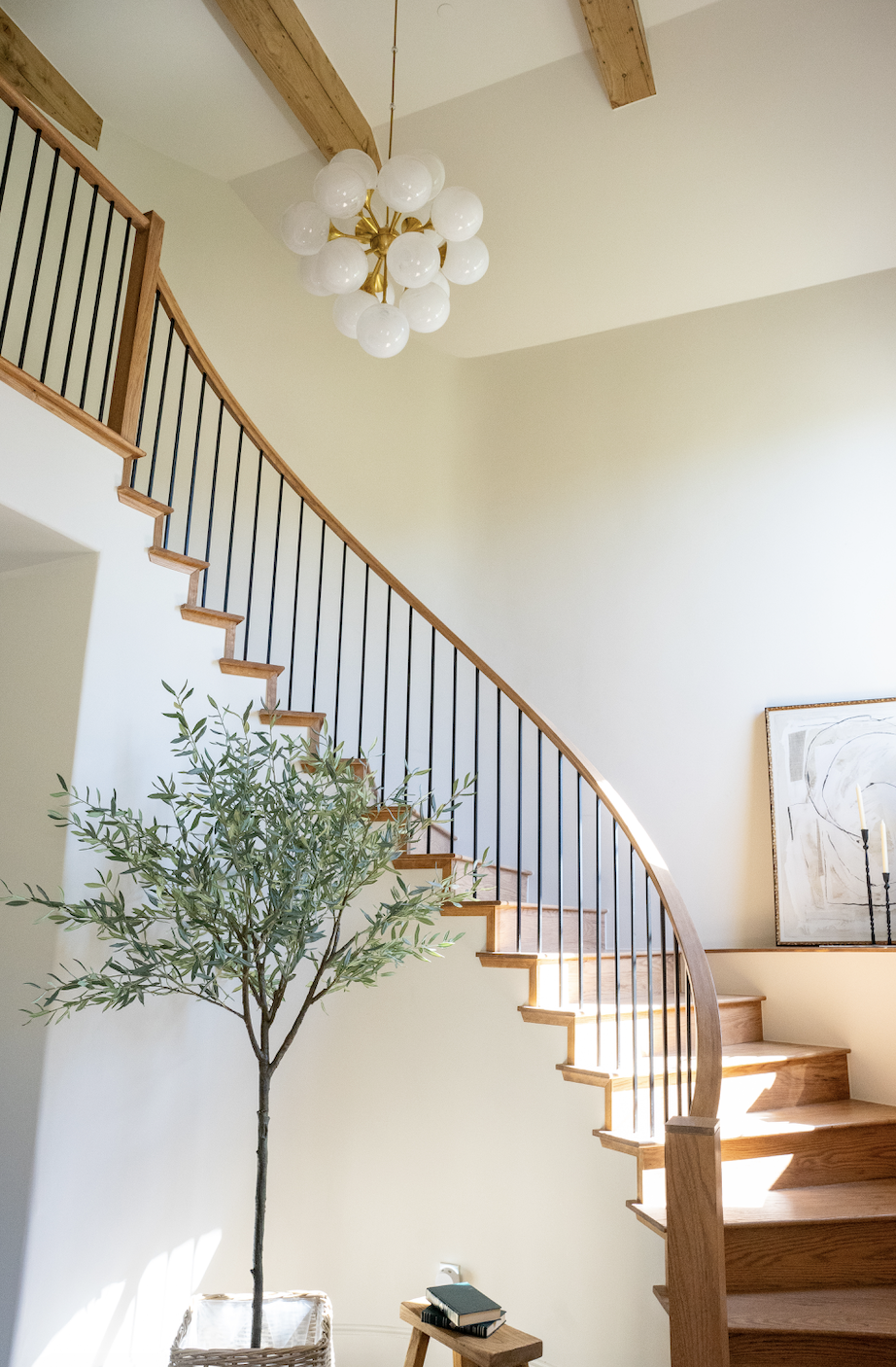
The entry may not require as many pieces as other rooms, but it sets the tone for the entire home. Even a small entry can make a strong first impression with the right console, mirror, lighting, artwork, and rug.
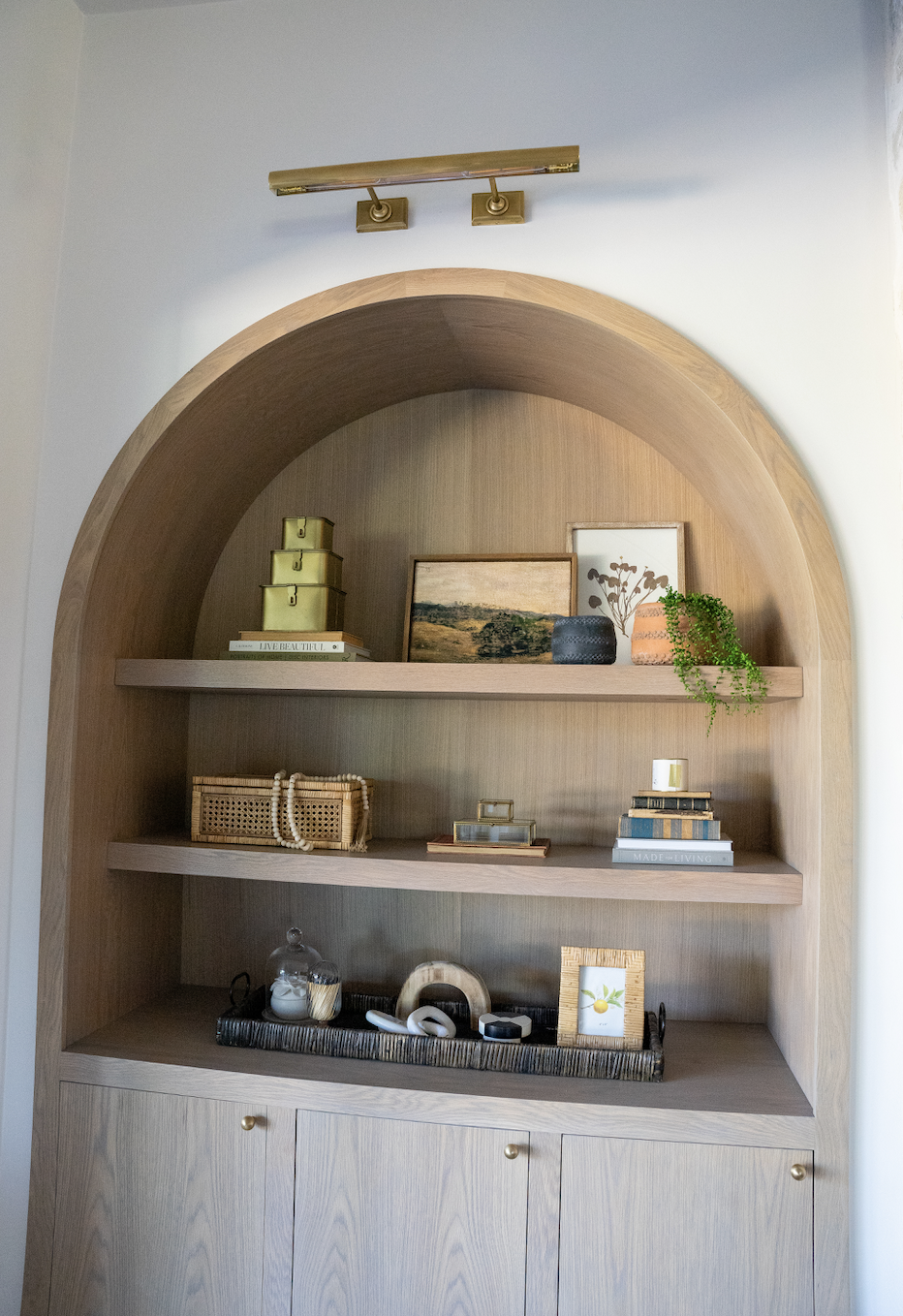
This is also an opportunity to add character to a new build. Vintage-inspired accessories, collected artwork, natural materials, and layered textures can make a brand-new home feel warmer and more personal from the moment you walk through the door.
Save Secondary Spaces for Later
Guest rooms, additional bedrooms, game rooms, and less frequently used areas can usually wait until the main living spaces are functional. Furnishing these rooms later allows you to better understand how your family uses the home and where your remaining budget will make the biggest impact.
This does not mean those spaces should be forgotten. Creating an overall furnishing plan at the beginning helps ensure that every future purchase supports a cohesive vision for the entire home.
Create a Plan Before You Start Shopping
Even when furnishing a home in phases, it is important to begin with a complete design direction. Without a plan, it is easy to purchase individual pieces you love only to realize they do not work together—or do not fit the room at all.
A professional furnishing plan considers:
Furniture layouts and proper scale
Your family’s lifestyle and practical needs
Existing pieces you want to keep
Colors, finishes, and materials used throughout the home
Where to invest and where to save
The order in which rooms should be completed
Your overall furnishing budget
If you're thinking about furnishing a room, building a new home, or planning a remodel, we'd love to help bring your vision to life. Schedule a discovery call with House Sprucing, and let's create a home you'll love coming back to every day. We'd love to talk. Send us an email at hello@hsdesignteam.com or text us at 214-471-0917.